How Digital Printing Technology Has Revolutionized the Ceramic Tile Industry
The ceramic tile industry has experienced one of its most significant transformations since the introduction of vitrified and porcelain tiles. While improvements in raw materials, manufacturing processes, and quality control have contributed to this evolution, one innovation has fundamentally changed the way tiles are designed and manufactured—digital printing technology.
Today, architects, interior designers, builders, and homeowners expect ceramic tiles to offer more than durability. They seek surfaces that replicate the beauty of natural marble, wood, concrete, onyx, terrazzo, and other premium materials while delivering superior performance and easy maintenance.
Digital printing has made this possible.
From luxury residential interiors to large commercial developments, digitally printed porcelain tiles have redefined design possibilities and established a new benchmark for quality in the ceramic tile industry.
What Is Digital Printing Technology in Ceramic Tiles?
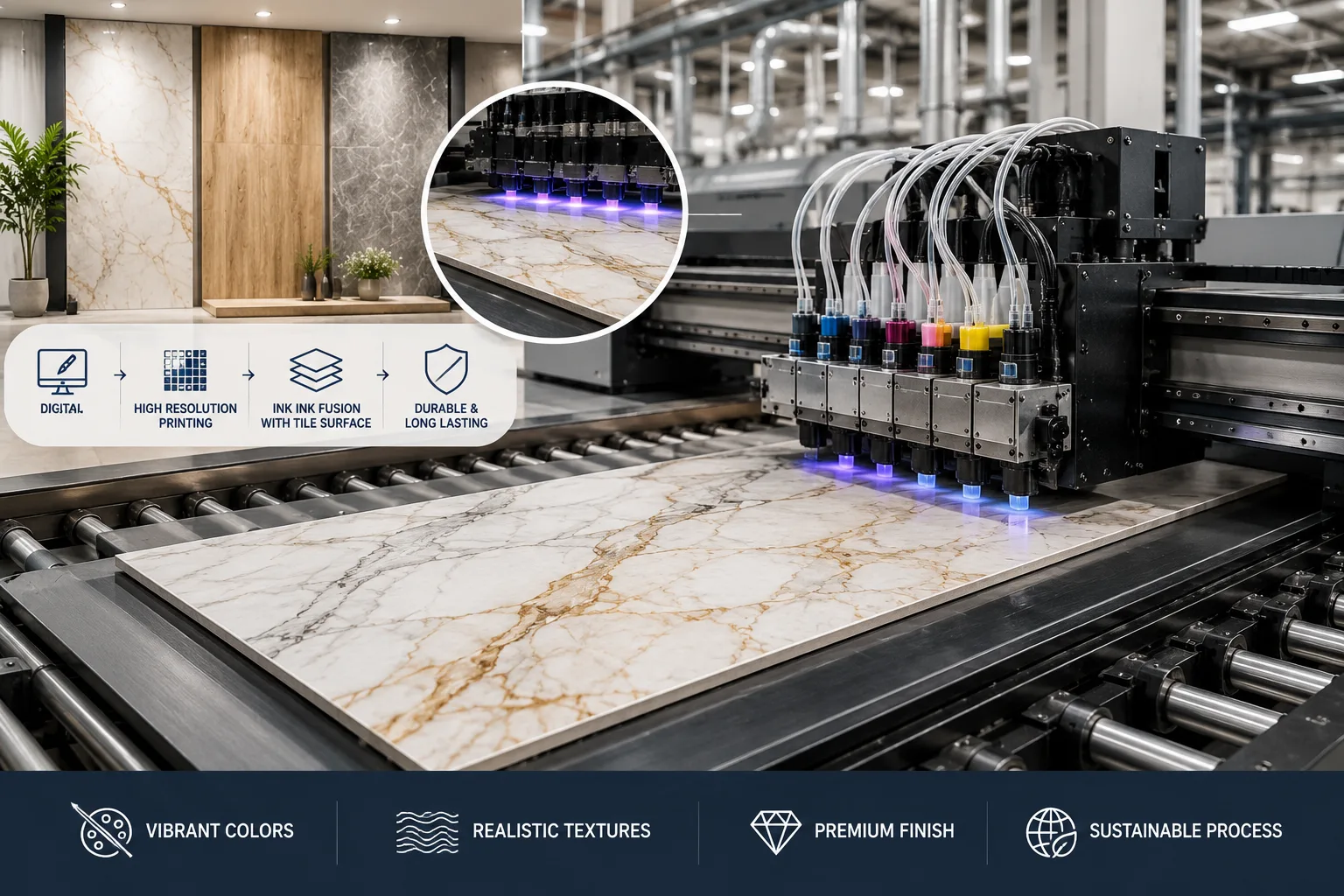
Digital printing is an advanced manufacturing process that uses high-resolution inkjet technology to apply detailed designs directly onto the surface of ceramic and porcelain tiles before they are fired in the kiln.
Unlike traditional screen-printing methods, digital printing allows manufacturers to reproduce natural textures, colour variations, and intricate patterns with remarkable precision.
The printed design becomes permanently fused with the tile during the firing process, resulting in a surface that combines authentic aesthetics with exceptional durability.
This technology has transformed ceramic tiles from simple construction materials into architectural design elements.
The Evolution from Traditional Printing to Digital Innovation
Before digital printing, ceramic tiles were produced using rotary screens or roller printing systems.
Although these methods were reliable for mass production, they had several limitations.
· Limited colour combinations
· Repetitive patterns
· Lower image resolution
· Less realistic natural stone effects
· Restricted design flexibility
As architectural trends shifted towards premium and natural-looking surfaces, manufacturers required a technology capable of producing greater realism.
Digital printing answered this need by enabling virtually unlimited design possibilities while maintaining consistent production quality.
Today, almost every premium porcelain tile collection is manufactured using digital printing technology.
Creating Natural Marble with Incredible Accuracy
One of the greatest achievements of digital printing is its ability to recreate natural marble.
Premium collections inspired by Carrara, Calacatta, Statuario, Travertine, and Onyx now feature intricate veining, subtle colour transitions, and realistic textures that closely resemble genuine stone.
This allows architects and designers to achieve luxurious interiors without the higher maintenance requirements associated with natural marble.
The combination of porcelain technology and digital printing provides an elegant alternative that balances beauty with practicality.
Bringing the Warmth of Wood into Modern Spaces
Digital printing has also transformed the popularity of wood-look porcelain tiles.
Using high-definition scanning and precision inkjet printing, manufacturers can replicate the grain patterns, knots, textures, and colour variations found in natural timber.
The result is flooring that captures the warmth of wood while offering the durability, water resistance, and easy maintenance of porcelain.
This has made wood-look porcelain a preferred choice for contemporary homes, hotels, restaurants, and commercial buildings around the world.
Unlimited Design Possibilities
Modern architecture demands creativity.
Digital printing enables manufacturers to develop collections inspired by a wide variety of natural and contemporary materials.
· Concrete-effect tiles
· Terrazzo designs
· Natural stone finishes
· Metallic textures
· Fabric-inspired surfaces
· Contemporary geometric patterns
This versatility allows architects to specify materials that perfectly match the vision of each project.
Superior Design Consistency
Natural stone varies significantly from slab to slab.
While this uniqueness is attractive, it can also create challenges for large architectural projects where visual consistency is important.
Digital printing allows manufacturers to maintain precise colour control while introducing multiple face variations that preserve a natural appearance.
The result is a collection that looks authentic while remaining consistent across large installations.
This is particularly valuable for hotels, shopping malls, airports, hospitals, corporate offices, and residential developments.
Faster Product Development
Traditional tile design often required the production of physical screens and lengthy setup processes.
Digital printing has dramatically reduced product development time.
Designers can create, modify, and test new collections digitally before production begins.
This allows manufacturers to respond quickly to changing architectural trends and international market demand.
As a result, new collections reach customers faster while maintaining high production standards.
Improved Manufacturing Efficiency
Digital printing has enhanced manufacturing efficiency throughout the ceramic tile industry.
The technology reduces production waste by eliminating many of the limitations associated with traditional printing methods.
Manufacturers benefit from improved colour accuracy, streamlined production, and greater flexibility when switching between designs.
These efficiencies contribute to better product quality while supporting more sustainable manufacturing practices.
Supporting Sustainable Manufacturing
Sustainability has become an important consideration in modern construction.
Digital printing contributes to environmentally responsible manufacturing in several ways.
· Reduced material waste
· More efficient ink usage
· Lower production setup requirements
· Greater production accuracy
· Reduced rejection rates
Combined with the long lifespan of porcelain tiles, these improvements support more sustainable building practices.
Why Architects Prefer Digitally Printed Porcelain Tiles
Modern architecture demands materials that combine aesthetics with long-term performance.
Digitally printed porcelain tiles provide exactly that balance.
They offer realistic natural designs while maintaining the technical advantages expected from premium porcelain.
· Low water absorption
· Excellent stain resistance
· High scratch resistance
· Easy maintenance
· Long service life
· Consistent production quality
· Suitable for floor and wall applications
Because of these characteristics, digitally printed porcelain tiles have become a preferred choice for residential, hospitality, retail, healthcare, and commercial projects worldwide.
Applications Across Every Industry
The versatility of digitally printed porcelain allows it to be used in almost every type of architectural project.
Luxury residences benefit from elegant marble-inspired interiors.
Hotels create sophisticated reception areas and guest rooms.
Retail stores use premium flooring to enhance customer experience.
Corporate offices achieve clean and contemporary workspaces.
Restaurants, healthcare facilities, educational institutions, and public buildings all benefit from the durability and design flexibility of digitally printed porcelain.
This broad range of applications demonstrates how digital printing has reshaped modern construction.
The Future of Ceramic Tile Manufacturing
Digital printing technology continues to evolve.
Manufacturers are now integrating artificial intelligence, automated quality inspection, advanced surface texturing, and larger-format porcelain production to create even more realistic and innovative collections.
Future developments are expected to deliver greater customization, improved efficiency, and enhanced sustainability while maintaining the premium quality demanded by architects and designers.
The ceramic tile industry is moving beyond simple manufacturing toward intelligent, design-driven production.
Innovation at Probity Ceramic LLP
At Probity Ceramic LLP, advanced digital printing technology plays an essential role in creating premium porcelain collections for international markets.
Our manufacturing process combines high-definition digital decoration with strict quality control to produce porcelain tiles that meet the expectations of architects, distributors, wholesalers, builders, and project developers worldwide.
From marble-look and wood-look collections to contemporary designer surfaces, every tile reflects our commitment to innovation, precision, and export-quality manufacturing.
Conclusion
Digital printing technology has fundamentally transformed the ceramic tile industry.
What was once limited by traditional printing methods has evolved into a world of limitless design possibilities, allowing porcelain tiles to replicate the beauty of natural materials with remarkable realism.
Beyond aesthetics, digital printing has improved manufacturing efficiency, product consistency, sustainability, and design flexibility, making it one of the most important innovations in modern ceramic production.
As architecture continues to evolve, digitally printed porcelain tiles will remain at the forefront of design, offering architects and homeowners the perfect combination of creativity, durability, and performance.
For manufacturers committed to quality and innovation, digital printing is no longer simply a production technique—it is the foundation of the future of ceramic surfaces.
Related Articles
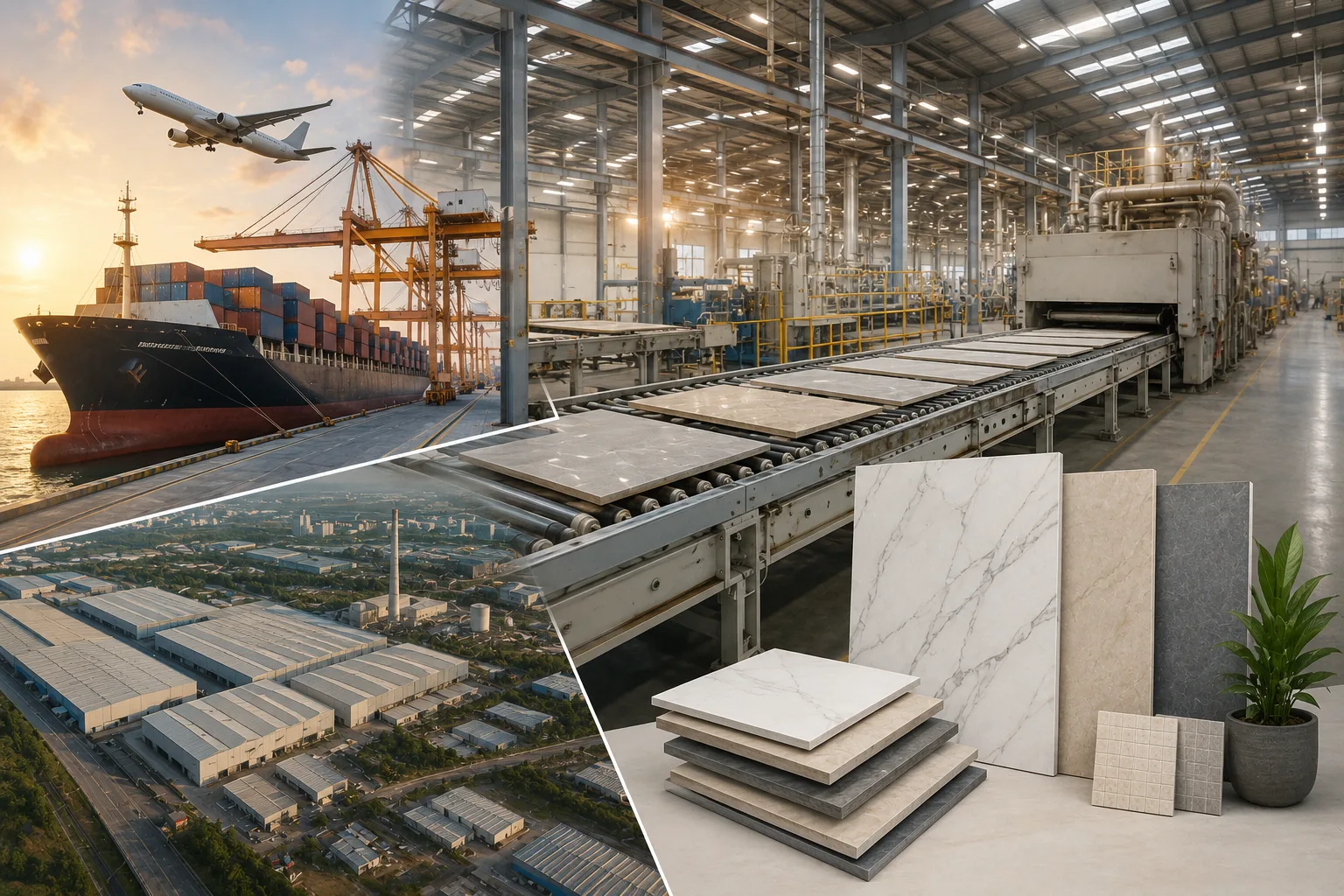
Morbi's Ceramic Industry Expansion Strengthens India's Export Capabilities
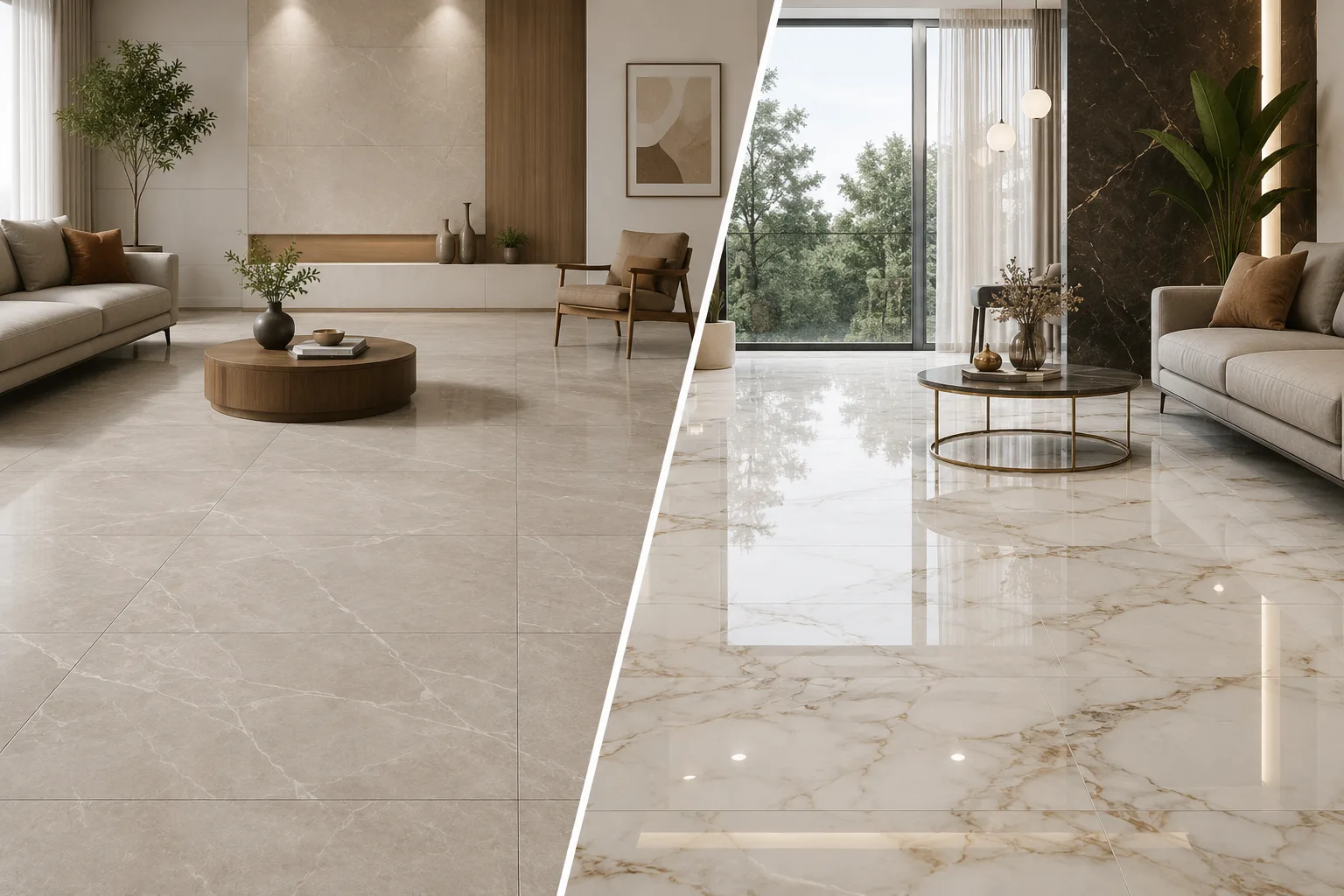
GVT vs PGVT Tiles: Understanding the Difference Before Choosing the Right Tile
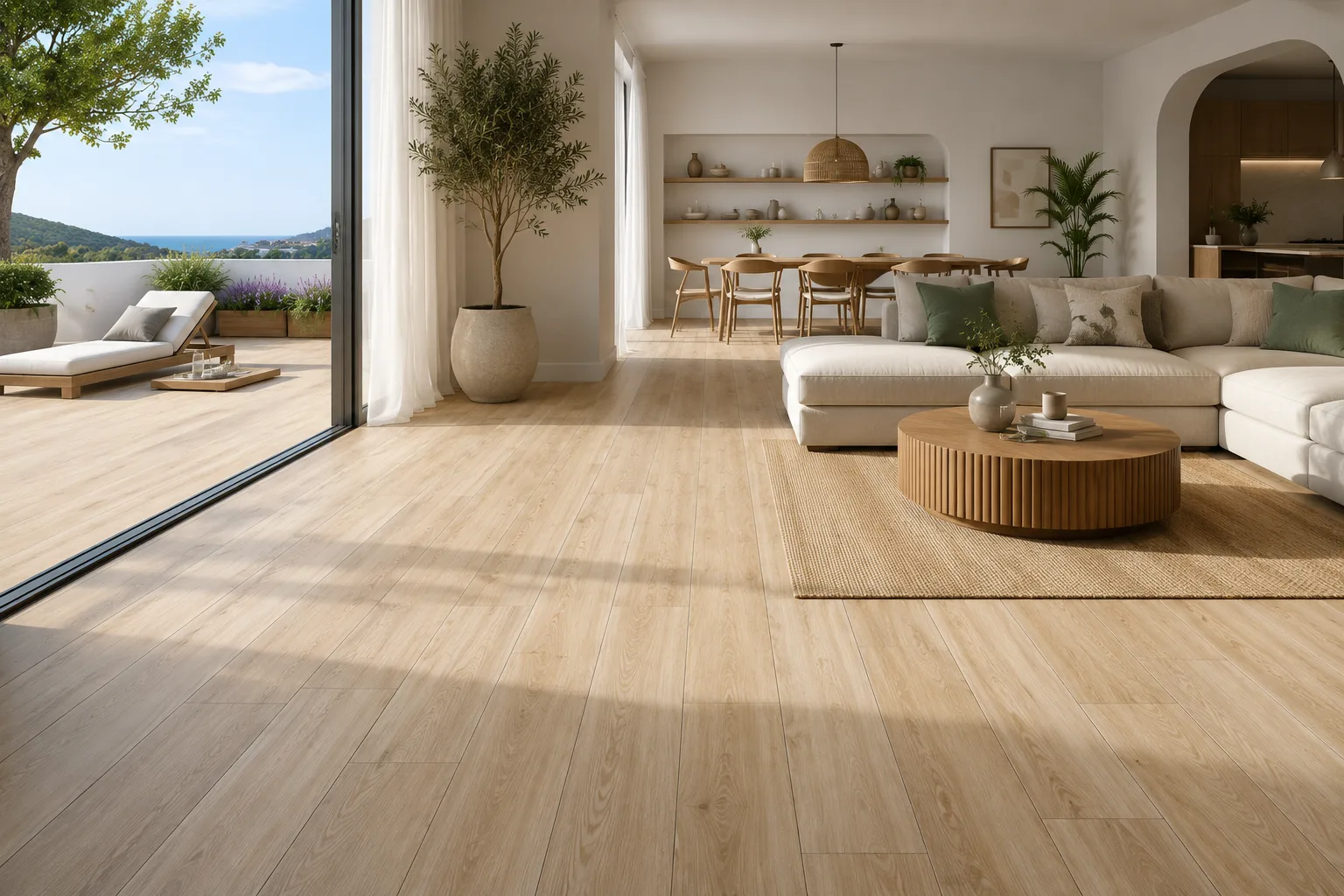
Stay Comfortable This Summer: Why European Homes Are Choosing Wood-Look Porcelain Tiles Over Natural Wood
Recommended Products
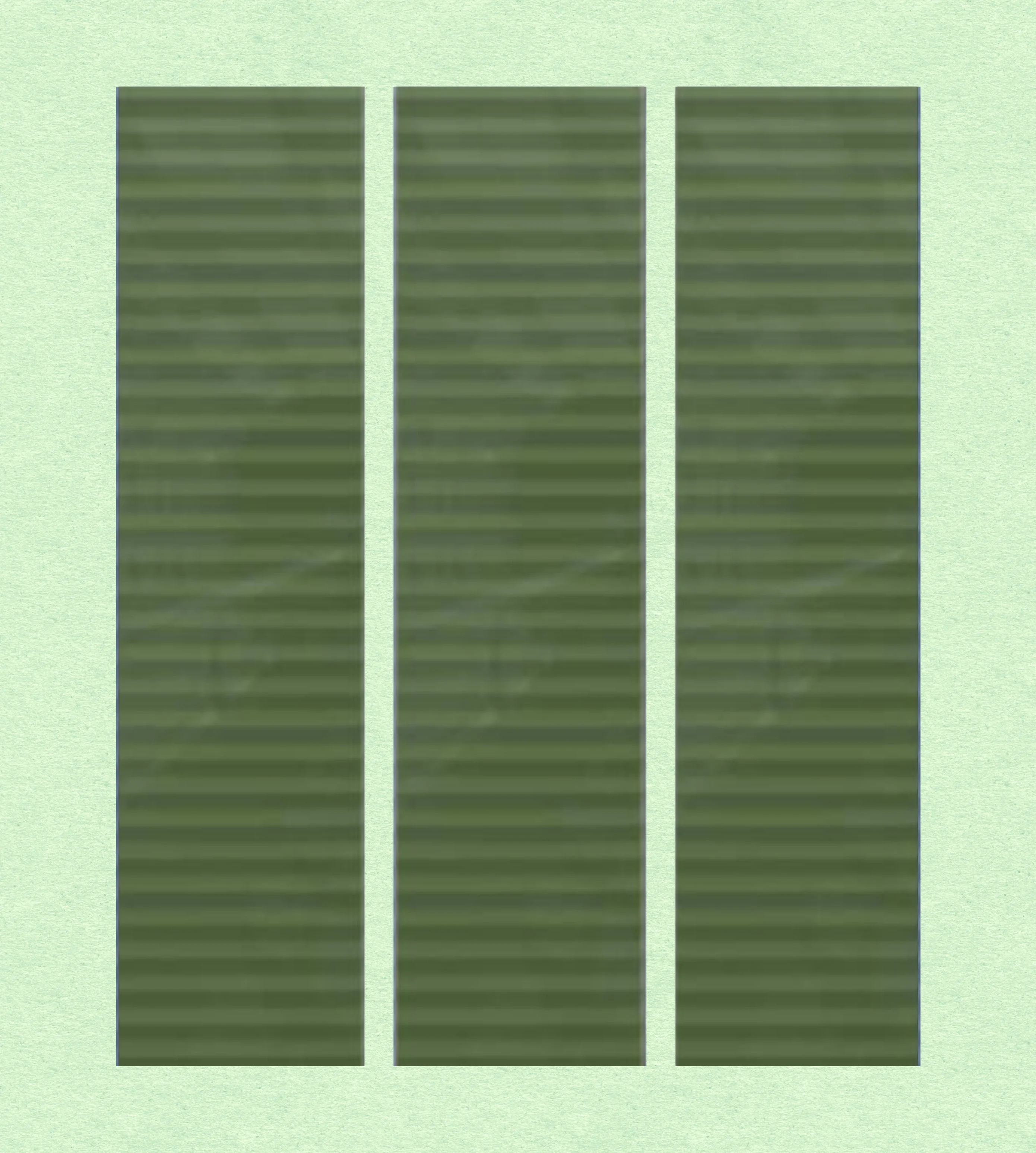

RIBBED_PICKLE_GREEN
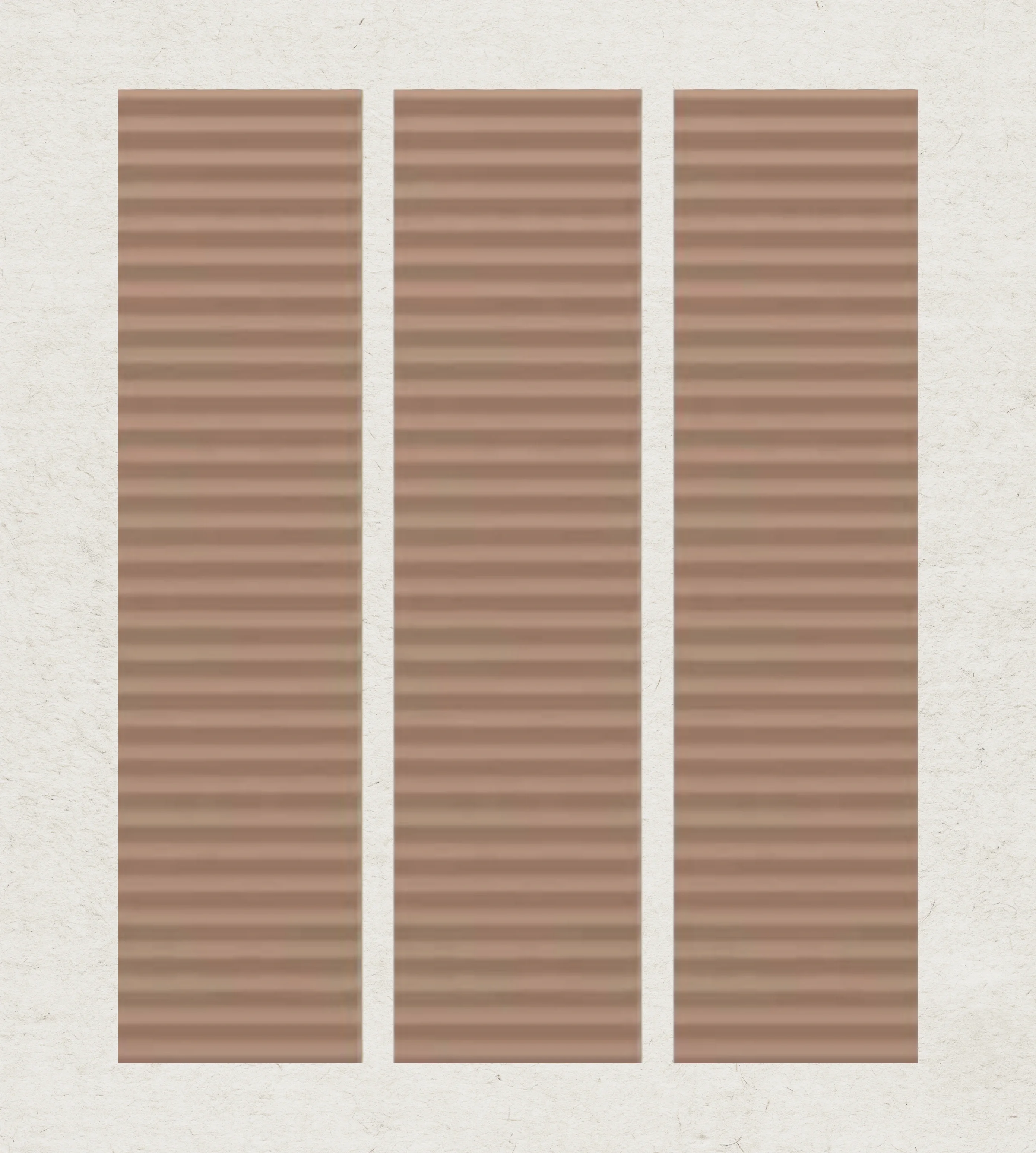
RIBBED_PEWTER
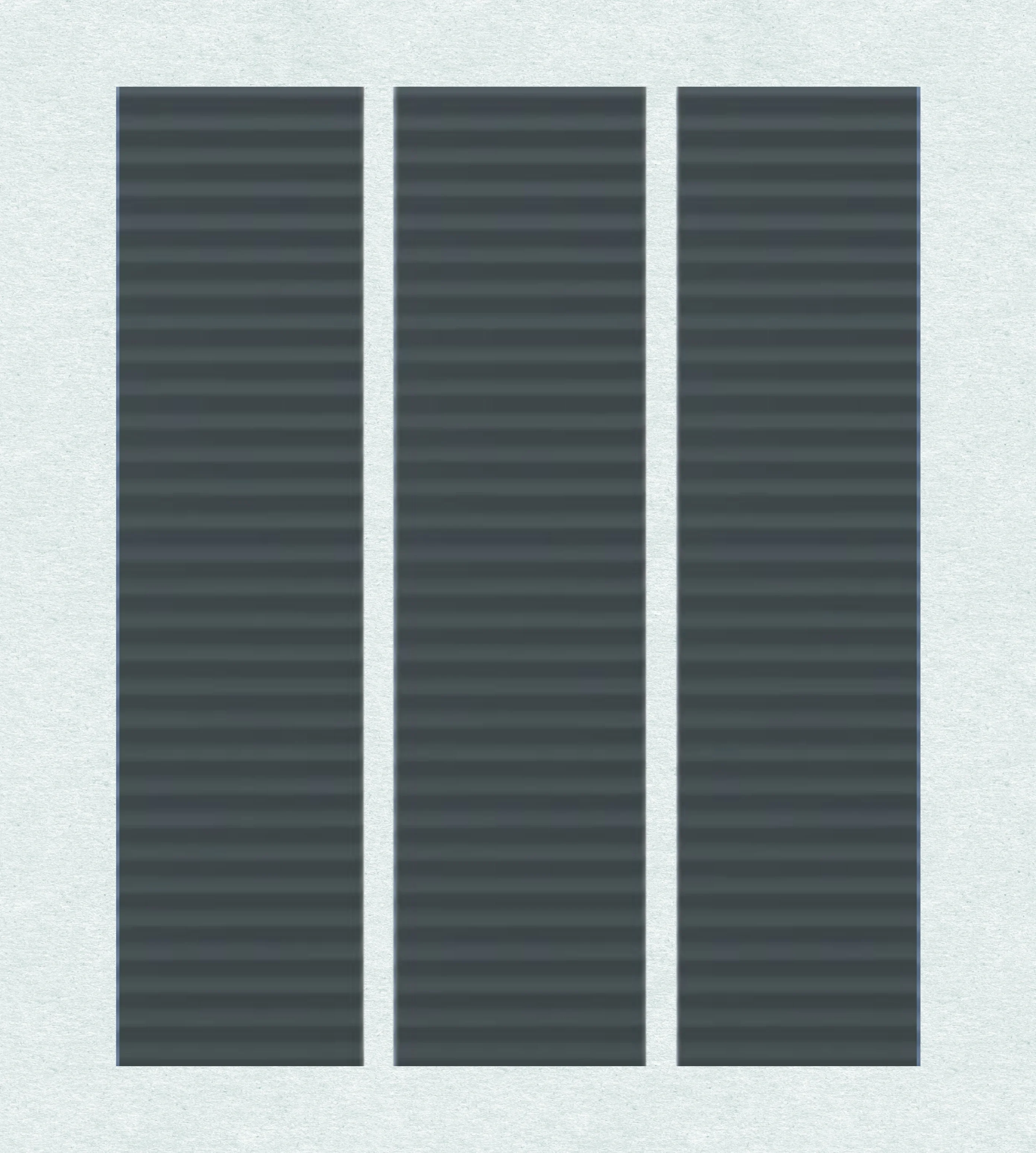
RIBBED_DARK_GREY