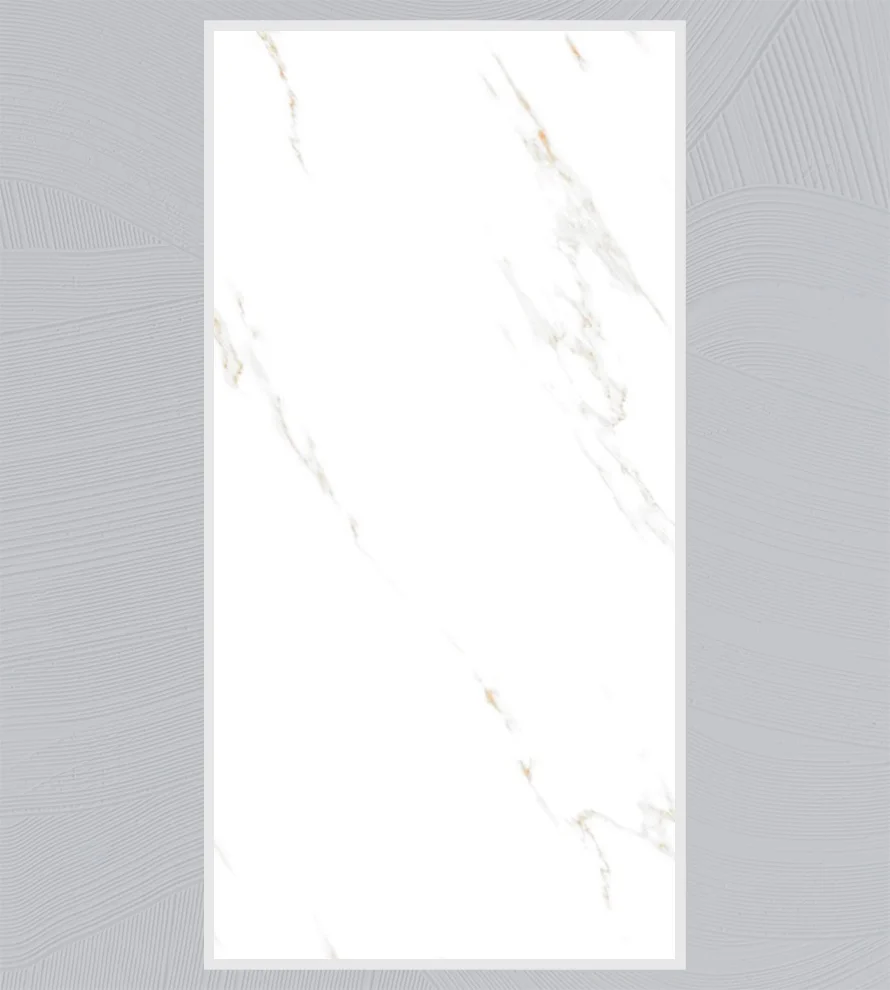
Why Porcelain Tiles Are Becoming the Preferred Choice in Modern Construction
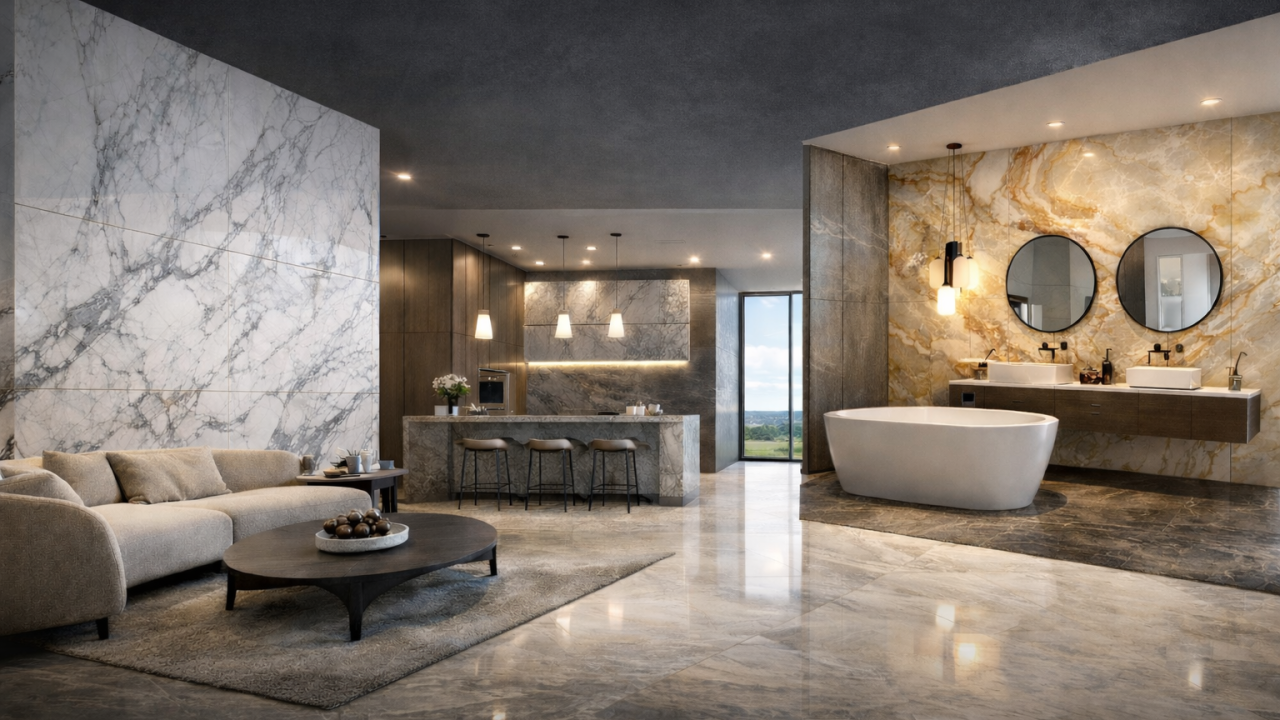
In today's construction industry, the definition of a premium building material has changed significantly. Modern architects, developers, designers, and homeowners no longer choose materials based solely on appearance. They are increasingly prioritizing durability, performance, sustainability, ease of maintenance, and long-term value.
This shift in buying behavior has positioned porcelain tiles as one of the most preferred surface materials across the world. From luxury residences and commercial buildings to hospitality projects and outdoor landscapes, porcelain tiles are rapidly replacing conventional flooring and wall materials.
But what exactly makes porcelain tiles different? Why are they becoming the preferred choice in modern construction? The answer lies in their advanced engineering, superior manufacturing process, and exceptional performance characteristics.
Understanding Porcelain Tiles
Porcelain tiles are advanced ceramic surfaces manufactured using highly refined natural minerals such as fine clay, feldspar, silica, and various mineral additives. These raw materials undergo rigorous processing, high-pressure compaction, and firing at temperatures exceeding 1200°C.
The result is a highly dense, vitrified, and low-porosity tile body that offers remarkable strength and durability. Unlike ordinary ceramic tiles, porcelain tiles are specifically engineered to withstand demanding conditions while maintaining their appearance for years.
This unique combination of aesthetics and technical performance has made porcelain tiles a preferred material for modern construction projects worldwide.
The Manufacturing Process of Premium Porcelain Tiles
The exceptional performance of porcelain tiles begins with a highly controlled and technologically advanced manufacturing process.
1. Selection of Premium Raw Materials
The manufacturing process starts with carefully selected minerals and refined clays. The quality of raw materials directly impacts the strength, density, and durability of the finished tile.
Manufacturers use fine-grade clay, feldspar, silica, and mineral additives to ensure consistency and superior technical properties.
2. Grinding and Homogenization
The selected raw materials are wet-ground into extremely fine particles and blended to create a homogeneous mixture. This process ensures uniform composition and improves the structural integrity of the tile body.
3. Spray Drying
The prepared slurry is converted into powder granules with controlled moisture content. Uniform moisture distribution is essential because it enables consistent compaction during pressing.
4. High-Pressure Pressing
The powder granules are compressed using hydraulic presses that apply enormous pressure. This high-pressure compaction significantly reduces internal air gaps and creates a highly dense body structure.
The dense composition of porcelain tiles is one of the primary reasons behind their superior mechanical strength and long-term performance.
5. Digital Surface Technology
Modern porcelain tile manufacturing uses advanced digital inkjet printing technology that allows manufacturers to create incredibly realistic surface designs, including:
- Marble effects
- Natural stone textures
- Wood finishes
- Concrete appearances
- Metallic surfaces
- Carving and 5D decorative effects
These technologies enable porcelain tiles to replicate premium natural materials while offering significantly better performance and easier maintenance.
6. High-Temperature Firing
Porcelain tiles are fired in roller kilns at temperatures exceeding 1200°C. During firing, the materials undergo vitrification, a process that creates an extremely dense and compact structure.
This vitrified body gives porcelain tiles their superior durability, low porosity, and excellent resistance to environmental conditions.
Why Water Absorption Matters
One of the most important technical characteristics of porcelain tiles is their exceptionally low water absorption.
Premium porcelain tiles generally have water absorption below 0.5%, making them highly resistant to moisture penetration.
This low absorption rate offers several significant advantages:
Superior Moisture Resistance
Water absorption directly affects the longevity and structural stability of surface materials. Because porcelain tiles absorb minimal moisture, they are highly suitable for wet environments such as bathrooms, kitchens, swimming pool areas, and outdoor installations.
Better Performance in Outdoor Applications
Materials with higher absorption rates may expand, crack, or deteriorate when exposed to moisture and changing temperatures. Porcelain tiles maintain their structural stability under varying environmental conditions, making them ideal for exterior applications.
Resistance to Freeze-Thaw Conditions
In colder regions, absorbed water can freeze and expand, causing surface damage. The low porosity of porcelain tiles significantly reduces this risk and improves their performance in freeze-thaw climates.
Enhanced Durability
Minimal moisture penetration helps preserve the strength and integrity of porcelain tiles, contributing to their long service life and lower maintenance requirements.
Exceptional Strength and Durability
Modern construction projects demand materials capable of performing under challenging conditions. Porcelain tiles excel because of their dense and compact body structure.
They offer:
- High impact resistance
- Excellent load-bearing capacity
- Superior wear resistance
- Better scratch resistance
- Long-term dimensional stability
- Resistance to heavy foot traffic
These characteristics make porcelain tiles suitable for:
- Luxury residences
- Commercial complexes
- Shopping malls
- Hotels and resorts
- Airports
- Corporate offices
- Educational institutions
- Public infrastructure projects
Low Maintenance and Easy Cleaning
Maintenance costs are an increasingly important factor in construction planning.
Unlike many natural materials that require periodic sealing and specialized care, porcelain tiles are relatively easy to clean and maintain.
Their dense, low-porosity surface helps resist:
- Water stains
- Dirt accumulation
- Surface discoloration
- Everyday wear
This ease of maintenance makes porcelain tiles highly attractive for both residential and commercial environments.
Design Flexibility and Aesthetic Excellence
The evolution of digital surface technologies has transformed porcelain tiles into one of the most versatile design materials available today.
Modern porcelain collections can accurately replicate:
- Italian marble
- Natural stone
- Hardwood
- Concrete
- Metallic textures
- Contemporary decorative patterns
This versatility allows architects and interior designers to achieve sophisticated aesthetics without compromising performance.
The Rise of Large Format Porcelain Tiles
Modern architecture increasingly embraces minimalism and seamless design concepts.
Large-format porcelain tiles, including:
- 600×1200 mm
- 800×1600 mm
- Large porcelain slabs
have become increasingly popular because they create:
- Fewer joints
- Larger visual spaces
- Seamless appearances
- Premium aesthetics
- Easier maintenance
These characteristics have made large-format porcelain surfaces highly desirable in luxury residential and commercial projects.
Sustainability and Responsible Manufacturing
Sustainability has become a major consideration in modern construction.
Leading porcelain manufacturers are increasingly investing in environmentally responsible production practices, including:
- Water recycling systems
- Energy-efficient kilns
- Waste recovery processes
- Resource optimization
- Sustainable manufacturing technologies
Because of these initiatives, porcelain tiles are becoming an important component of green building and sustainable construction discussions globally.
Export Quality Porcelain Tiles from India
India has emerged as one of the world's leading manufacturers and exporters of premium porcelain tiles.
The ceramic manufacturing hub of Morbi, Gujarat, has gained international recognition for its advanced production capabilities and extensive product range.
Indian porcelain tile manufacturers supply export-quality products to numerous markets, including:
- United Kingdom
- United States
- Europe
- Middle East
- Australia
- Africa
- South America
Export-quality porcelain tiles from India are increasingly appreciated for:
- International manufacturing standards
- Wide design portfolios
- Large production capacities
- Competitive pricing
- Advanced digital technologies
- Reliable global logistics support
As global demand for high-performance surface materials continues to grow, India is strengthening its position as a preferred sourcing destination for premium porcelain tiles.
Why Porcelain Tiles Are the Future of Modern Construction
Today's construction industry requires materials that offer more than visual appeal. Modern buyers are evaluating products based on their complete lifecycle performance.
They seek materials that provide:
- Durability
- Technical reliability
- Sustainability
- Low maintenance
- Design versatility
- Long-term cost efficiency
Porcelain tiles successfully combine all these requirements.
Their extremely low water absorption, exceptional mechanical strength, premium aesthetics, and long service life make them one of the most advanced surface materials available today.
As architecture and interior design continue to evolve, porcelain tiles are expected to play an even greater role in shaping the future of residential, commercial, and infrastructure projects worldwide.
At Probity Ceramic LLP, we believe that premium surfaces should not only look beautiful today but continue delivering performance, reliability, and value for years to come. That philosophy is precisely why porcelain tiles are becoming the preferred choice in modern construction.
Related Articles
Experience the Timeless Beauty of Wood with the Strength of Porcelain Tiles
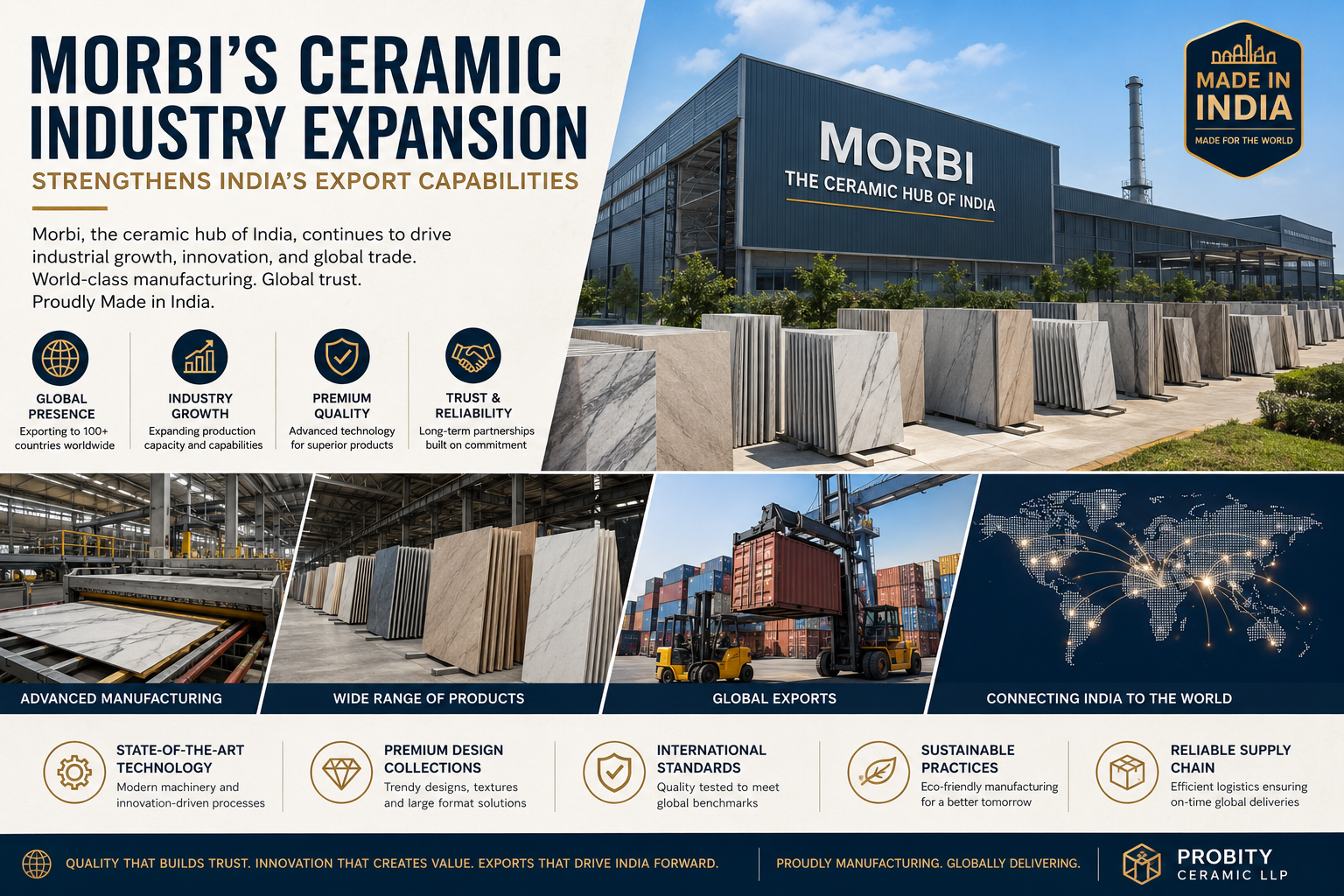
Morbi's Ceramic Industry Expansion Strengthens India's Export Capabilities
Recommended Products
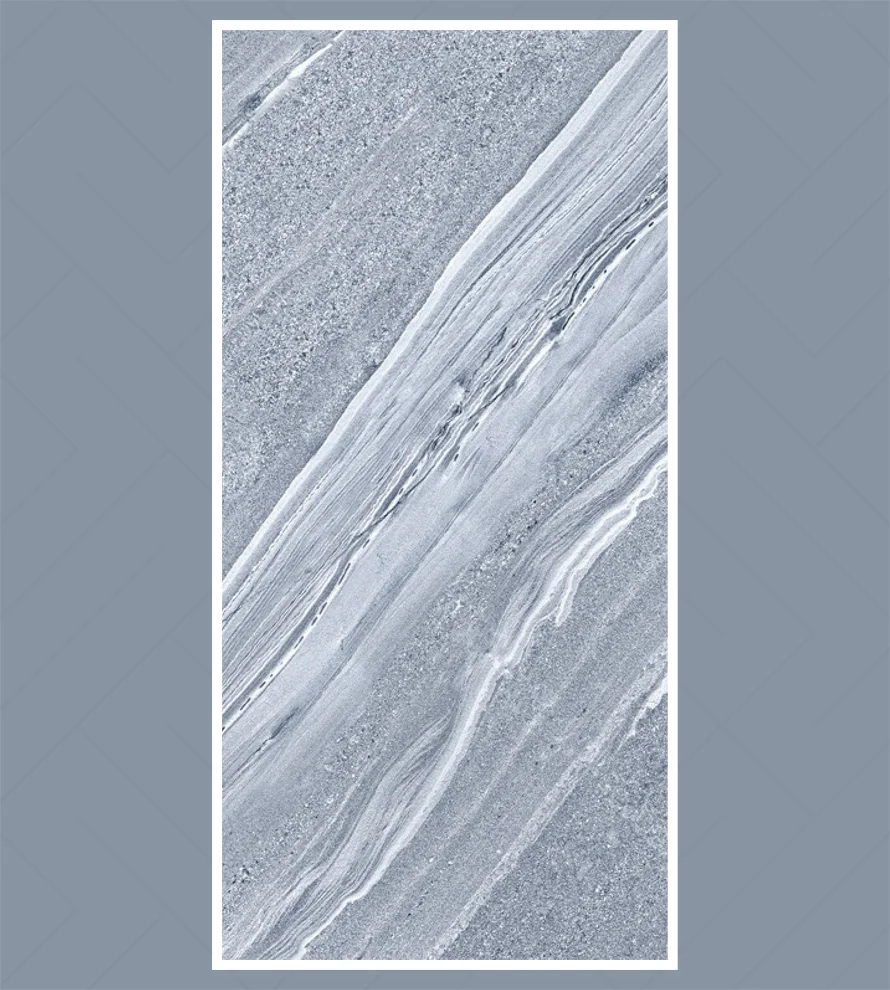
6007-ADOBE-AZUL
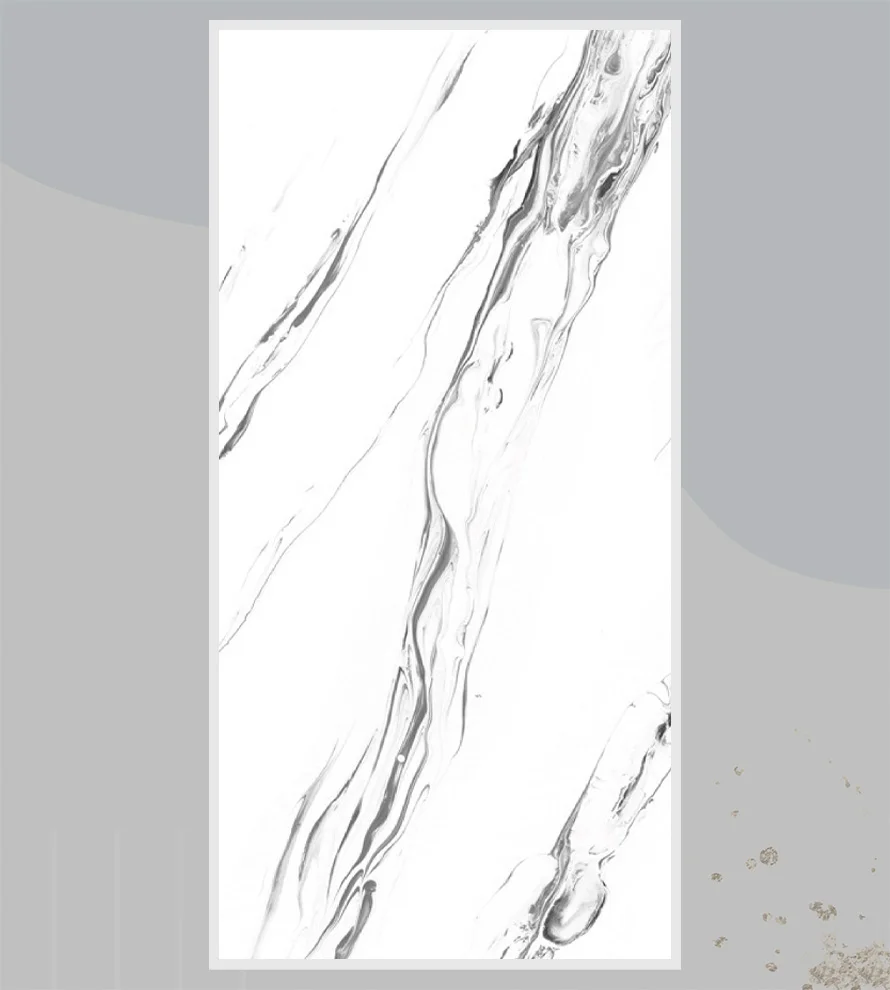
7013-FLUDIC-LINIA
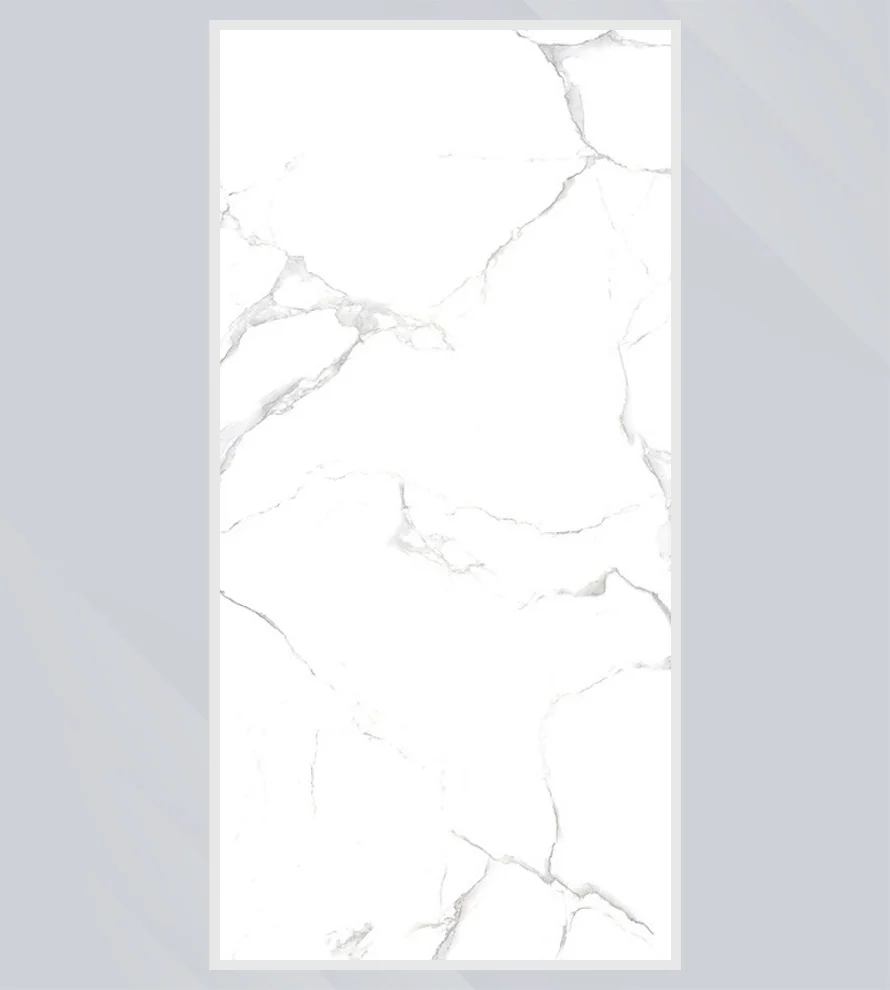
7011-EVON-STATUARIO