Ceramic Tiles vs Porcelain Tiles: Which One is Better for Your Home or Commercial Project?
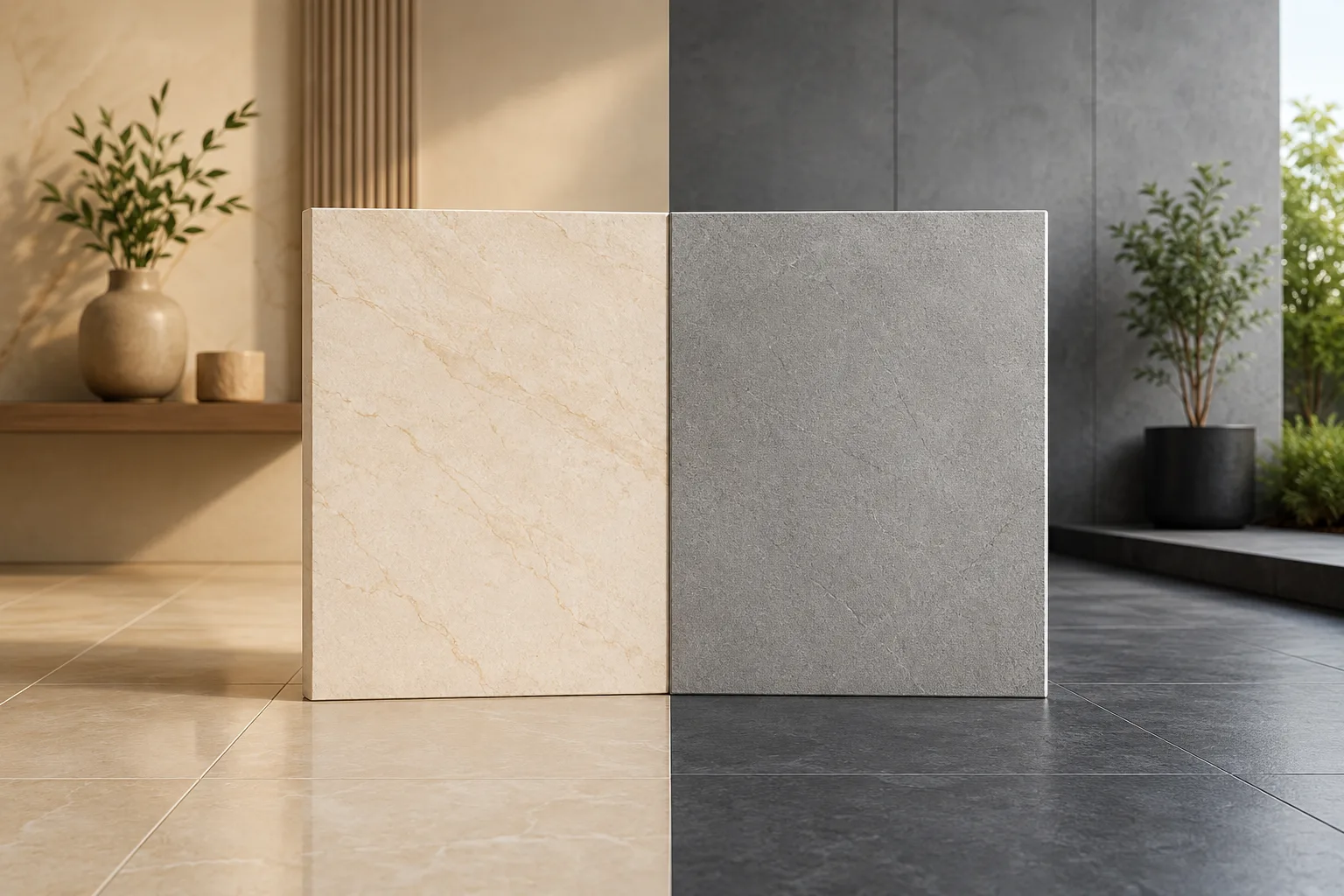
Choosing the right tiles is one of the most important decisions when designing a home, office, hotel, retail store, or commercial building. Among the various tile options available today, two of the most popular choices are Ceramic Tiles and Porcelain Tiles.
Many homeowners, architects, interior designers, contractors, and importers often ask:
What is the difference between Ceramic Tiles and Porcelain Tiles? Which one is better?
The answer depends on your project requirements, budget, location, and expected performance. While both tile types offer excellent aesthetics and functionality, understanding their differences can help you make the right investment.
In this comprehensive guide, we’ll compare Ceramic Tiles and Porcelain Tiles in terms of durability, strength, water resistance, maintenance, applications, cost, and overall value.
What Are Ceramic Tiles?
Ceramic tiles are manufactured using natural clay, minerals, and water. The mixture is molded into shape and fired at high temperatures to create durable and attractive tiles suitable for residential and commercial interiors.
Ceramic tiles are known for their versatility, affordability, and wide variety of designs, colors, textures, and finishes.
Key Features of Ceramic Tiles
· Lightweight and easy to handle
· Cost-effective flooring and wall solution
· Available in countless designs and patterns
· Easy to cut and install
· Suitable for decorative applications
· Low maintenance requirements
· Excellent choice for interior walls
Ceramic tiles have become a preferred option for homeowners seeking stylish yet budget-friendly tile solutions.
What Are Porcelain Tiles?
Porcelain tiles are a premium category of ceramic tiles manufactured using refined clay and fired at much higher temperatures. This process creates a denser, harder, and less porous tile.
Due to their exceptional durability and moisture resistance, porcelain tiles are widely used in residential, commercial, and outdoor applications.
Key Features of Porcelain Tiles
· High density and superior strength
· Extremely low water absorption rate
· Scratch-resistant surface
· Stain-resistant properties
· Suitable for heavy foot traffic
· Long lifespan
· Ideal for indoor and outdoor applications
Porcelain tiles are often considered the gold standard for modern flooring and high-performance architectural projects.
Ceramic Tiles vs Porcelain Tiles: Major Differences
1. Raw Material Composition
Ceramic Tiles
Ceramic tiles are produced using natural red, brown, or white clay combined with minerals and water.
Porcelain Tiles
Porcelain tiles use highly refined clay and finer raw materials, resulting in a denser body structure.
Winner: Porcelain Tiles
The refined composition gives porcelain superior performance characteristics.
2. Manufacturing Process
Ceramic tiles are fired at relatively lower temperatures.
Porcelain tiles are fired at significantly higher temperatures, creating a harder and less porous product.
The higher firing temperature increases strength, density, and durability.
Winner: Porcelain Tiles
3. Durability
One of the most important considerations when choosing tiles is durability.
Ceramic Tiles
Ceramic tiles provide good durability for residential applications and low-to-medium traffic areas.
Porcelain Tiles
Porcelain tiles are highly durable and designed to withstand heavy foot traffic, impact, and daily wear.
Winner: Porcelain Tiles
For shopping malls, hotels, airports, offices, and commercial spaces, porcelain tiles are generally the preferred choice.
4. Water Absorption and Moisture Resistance
Water resistance is critical for bathrooms, kitchens, balconies, swimming pool surroundings, and outdoor areas.
Ceramic Tiles
Ceramic tiles offer moderate moisture resistance but may absorb more water than porcelain.
Porcelain Tiles
Porcelain tiles have an extremely low water absorption rate, usually below 0.5%, making them highly resistant to moisture.
Winner: Porcelain Tiles
This is why porcelain tiles are widely recommended for wet and humid environments.
5. Strength and Impact Resistance
Ceramic Tiles
Ceramic tiles perform well under normal residential use but can chip more easily under heavy impact.
Porcelain Tiles
Porcelain tiles have higher density and superior impact resistance.
Winner: Porcelain Tiles
For commercial flooring and high-traffic areas, porcelain tiles deliver better long-term performance.
6. Installation
Ceramic Tiles
Ceramic tiles are easier to cut, drill, and install.
Porcelain Tiles
Due to their density, porcelain tiles require specialized tools and skilled installation.
Winner: Ceramic Tiles
For projects prioritizing ease of installation, ceramic tiles may be more convenient.
7. Maintenance
Both ceramic and porcelain tiles are relatively easy to maintain.
Ceramic Tiles
· Easy cleaning
· Low maintenance
· Suitable for daily household use
Porcelain Tiles
· Highly stain-resistant
· Easy to clean
· Resistant to chemicals and moisture
Winner: Porcelain Tiles
Its dense structure makes it more resistant to stains and dirt penetration.
8. Indoor vs Outdoor Applications
Ceramic Tiles
Best suited for:
· Living room walls
· Kitchen backsplashes
· Decorative walls
· Bedroom walls
· Indoor residential flooring
Porcelain Tiles
Ideal for:
· Outdoor patios
· Balconies
· Terraces
· Commercial flooring
· Hotel lobbies
· Bathrooms
· Kitchens
· Swimming pool areas
Winner: Porcelain Tiles
Its weather resistance makes it suitable for both indoor and outdoor environments.
9. Design and Aesthetic Appeal
Modern manufacturing technology allows both ceramic and porcelain tiles to mimic natural materials.
Available designs include:
· Marble look tiles
· Stone finish tiles
· Wood look tiles
· Concrete finish tiles
· Metallic finish tiles
· Designer decorative tiles
Today, both categories offer premium visual appeal.
Winner: Tie
Both ceramic and porcelain tiles provide stunning design possibilities.
10. Cost Comparison
Ceramic Tiles
Generally more affordable due to lower manufacturing costs.
Porcelain Tiles
Higher initial investment but offers greater durability and lifespan.
Winner: Ceramic Tiles (Budget)
Winner: Porcelain Tiles (Long-Term Value)
Ceramic Tiles vs Porcelain Tiles - Quick Comparison
🔹 Durability
· Ceramic Tiles: Good durability for residential and light commercial applications.
· Porcelain Tiles: Exceptional durability, designed for heavy traffic and long-term performance.
🔹 Water Resistance
· Ceramic Tiles: Moderate water resistance.
· Porcelain Tiles: Very low water absorption, making them ideal for wet areas.
🔹 Strength
· Ceramic Tiles: Medium strength and suitable for everyday use.
· Porcelain Tiles: High strength with excellent impact resistance.
🔹 Maintenance
· Ceramic Tiles: Easy to clean and maintain.
· Porcelain Tiles: Highly stain-resistant and requires minimal maintenance.
🔹 Indoor Applications
· Ceramic Tiles: Excellent for walls, backsplashes, and decorative interiors.
· Porcelain Tiles: Suitable for both walls and floors in residential and commercial spaces.
🔹 Outdoor Applications
· Ceramic Tiles: Primarily recommended for indoor use.
· Porcelain Tiles: Ideal for patios, balconies, terraces, and outdoor areas.
🔹 Traffic Resistance
· Ceramic Tiles: Suitable for low to medium foot traffic.
· Porcelain Tiles: Excellent choice for high-traffic residential and commercial areas.
🔹 Installation
· Ceramic Tiles: Easier to cut and install.
· Porcelain Tiles: Requires specialized cutting tools and experienced installers.
🔹 Cost
· Ceramic Tiles: More budget-friendly.
· Porcelain Tiles: Higher initial investment but better long-term value.
🔹 Lifespan
· Ceramic Tiles: Long-lasting when properly maintained.
· Porcelain Tiles: Extra-long lifespan with superior performance over time.
Which Tile Is Better for Homes?
For residential projects:
Choose Ceramic Tiles If:
· You have a limited budget
· You need wall tiles
· You want decorative interiors
· You prefer easy installation
Choose Porcelain Tiles If:
· You need long-lasting flooring
· You want better moisture resistance
· You require premium aesthetics
· You need outdoor applications
Which Tile Is Better for Commercial Projects?
Commercial spaces demand durability, safety, and longevity.
Porcelain tiles are generally the preferred choice for:
· Hotels
· Shopping malls
· Airports
· Restaurants
· Hospitals
· Office buildings
· Educational institutions
Their strength and resistance to heavy traffic make them ideal for commercial environments.
Why Porcelain Tiles Are Becoming the Preferred Choice Worldwide
The global demand for porcelain tiles continues to rise due to:
· Superior durability
· Premium appearance
· Better moisture resistance
· Lower maintenance costs
· Longer lifespan
· Sustainability benefits
Modern architects and developers increasingly choose porcelain tiles for both luxury residential and commercial projects.
Frequently Asked Questions (FAQs)
Are porcelain tiles stronger than ceramic tiles?
Yes. Porcelain tiles are denser, harder, and more impact-resistant than ceramic tiles.
Can ceramic tiles be used for flooring?
Yes. Ceramic tiles can be used for residential flooring and low-traffic areas.
Are porcelain tiles waterproof?
Porcelain tiles are highly water-resistant due to their extremely low water absorption rate.
Which tile lasts longer?
Porcelain tiles generally have a longer lifespan because of their superior strength and durability.
Which tile is better for bathrooms?
Porcelain tiles are recommended because of their moisture resistance and low porosity.
Are porcelain tiles worth the higher cost?
Yes. Although the initial investment is higher, porcelain tiles offer better long-term value and performance.
Final Verdict: Ceramic Tiles or Porcelain Tiles?
Both ceramic and porcelain tiles offer unique advantages.
If affordability, decorative flexibility, and ease of installation are your priorities, ceramic tiles are an excellent choice.
However, if you are looking for maximum durability, moisture resistance, long-term performance, and premium aesthetics, porcelain tiles are the superior option.
For modern homes, luxury projects, commercial buildings, hotels, and outdoor spaces, porcelain tiles continue to be the preferred choice among architects, designers, and builders worldwide.
Premium Ceramic & Porcelain Tiles from Probity Ceramic LLP
At Probity Ceramic LLP, we specialize in manufacturing and exporting premium-quality ceramic and porcelain tiles for residential, commercial, and architectural projects worldwide.
Our product range includes:
· Porcelain Wall Tiles
· Porcelain Floor Tiles
· Large Format Slabs
· Kitchen Top Tiles
· Outdoor Porcelain Tiles
· Digital Wall Tiles
· Decorative Ceramic Tiles
· Commercial Flooring Solutions
With a commitment to quality, innovation, and global standards, we serve importers, distributors, wholesalers, contractors, and construction companies across international markets.
Related Articles
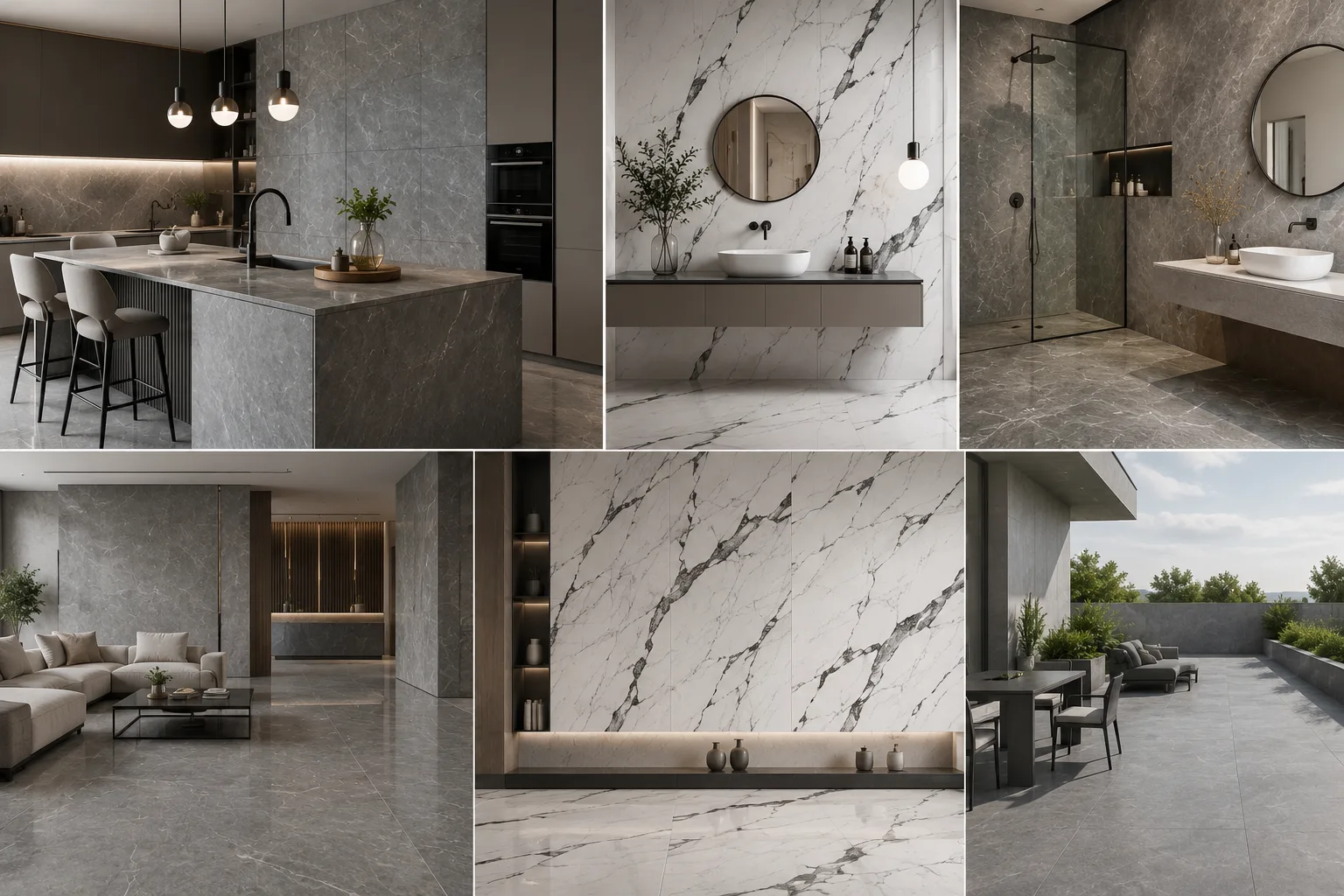
French Grey and Nero Statuario Porcelain Slabs: Redefining Elegance Across Kitchens, Bathrooms, Walls, Floors, Outdoor and Commercial Spaces
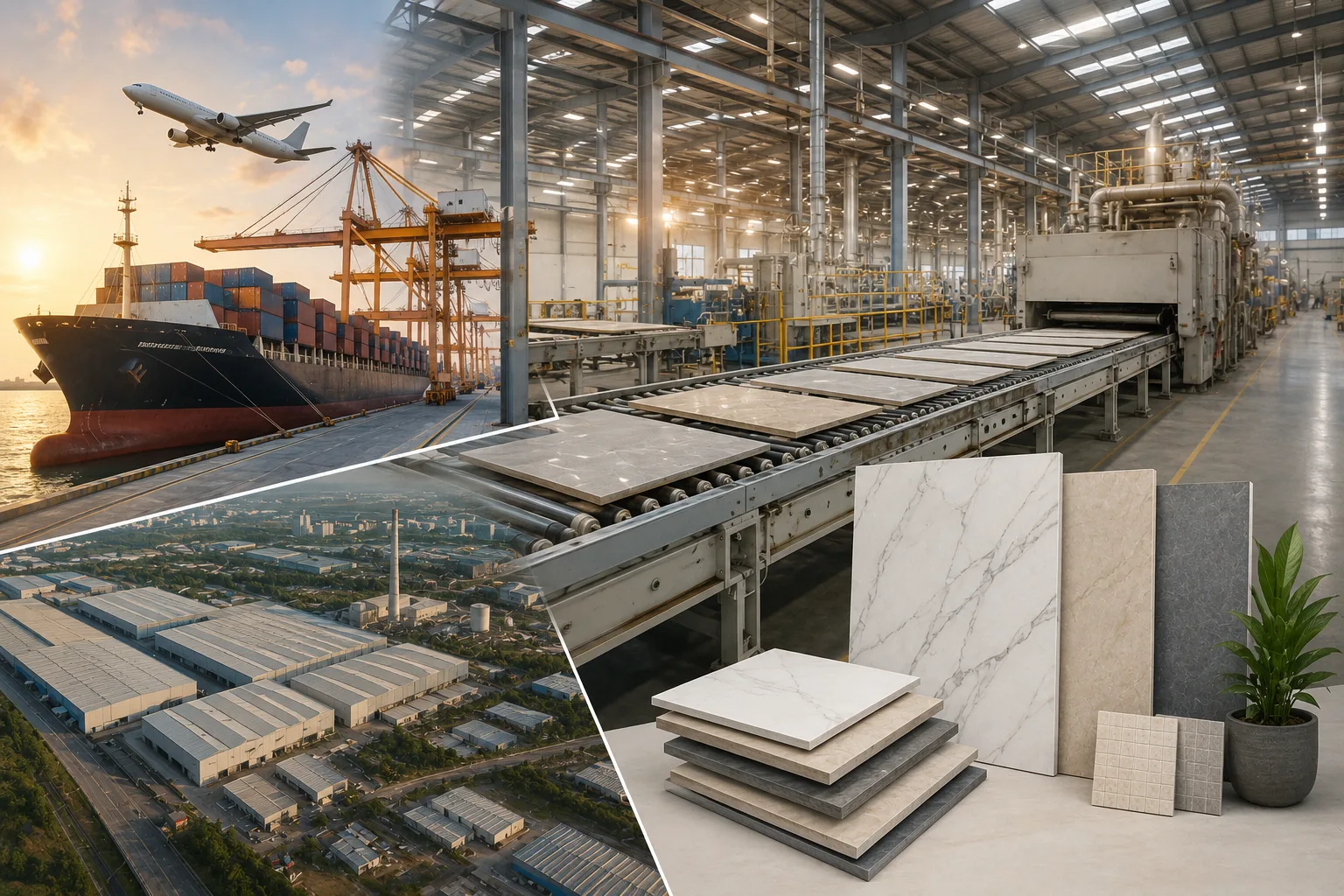
Morbi's Ceramic Industry Expansion Strengthens India's Export Capabilities
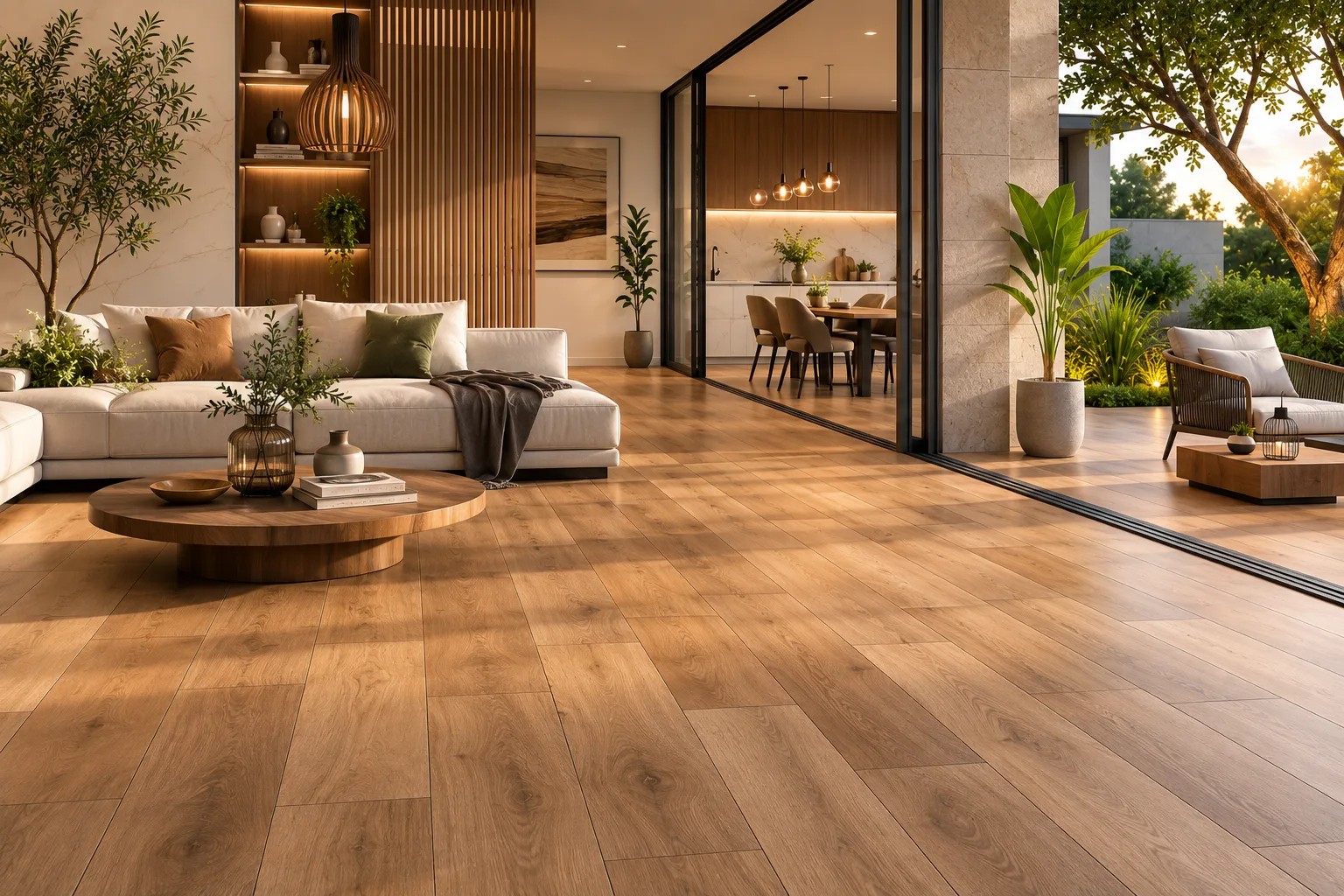
Experience the Timeless Beauty of Wood with the Strength of Porcelain Tiles
Recommended Products
ARABESCATO GOLD
AMIRON CREMA

NOVOTONE BRONZE